
Gold has maintained its value for over 2,000 years, and according to the World Gold Council, it often performs well during periods of economic uncertainty. That is not just a fun fact for investors, it is a mindset. Stability matters, especially when everything else feels shaky.
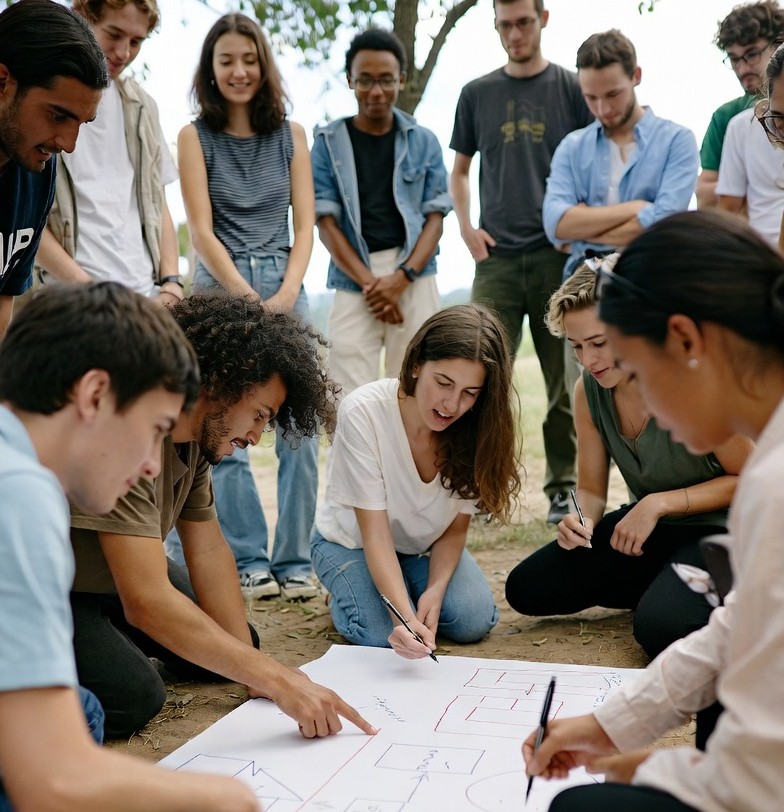
Think about a workplace during a downturn. Budgets tighten, decisions get slower, and suddenly even the coffee machine becomes a topic of debate. In moments like these, companies start to realize something simple, people are their most reliable asset. That is why many organizations turn to structured experiences like team building Madrid programs as a way to reinforce internal strength when external conditions feel unpredictable.
Gold and Teams, A Surprising Parallel
At first glance, gold bars and team workshops do not seem related. One sits in vaults, the other involves icebreakers and group challenges. But dig a little deeper and the connection becomes clear.
Gold is valued for its consistency. It does not panic during market crashes. It does not suddenly lose its core properties. In the same way, strong teams provide a steady foundation inside a company. When markets dip or strategies shift, a cohesive team keeps things moving forward.
I once spoke to a manager who described his team as “our company’s gold reserve.” He laughed after saying it, but he meant it. When sales dropped one quarter, his team adapted quickly, supported each other, and found new ways to deliver value. No panic, just focus. That is resilience in action.
Why Stability Beats Speed in Tough Times
Fast growth is exciting, but stability is what keeps a business alive when conditions change. Investors know this. That is why gold becomes attractive during volatile periods. It acts as a buffer.
Organizations need a similar buffer, and that buffer is trust. Teams that trust each other communicate better, solve problems faster, and avoid the blame game. Without trust, even small issues can spiral.
Building that kind of environment does not happen by accident. It takes intention. Some companies invest in leadership training. Others bring in collaborative workshops. A growing number are exploring experiential formats like Madrid-based team development programs that focus on communication, creativity, and shared challenges.
These experiences might look simple on the surface, but they create something deeper. People learn how others think, how they react under pressure, and how to work through disagreements without friction.
Investing in People Pays Off
There is a common misconception that team-building activities are just “nice to have.” Something you do once a year for morale. That thinking is outdated.
Research from organizations like Gallup shows that engaged teams are more productive and more profitable. They also experience less turnover. That is not a soft benefit, it is a measurable advantage.
When companies invest in people, they are essentially diversifying their internal portfolio. Skills improve, relationships deepen, and employees feel valued. Over time, this creates a culture that can absorb shocks more effectively. The same principle applies in finance, where investors understand the benefits and market dynamics of precious metals to balance risk and preserve value during uncertain times.
And here is the interesting part, just like gold, the value of these investments often becomes most visible during crises. When things are going well, strong teams feel normal. When things go wrong, they become essential.
Resilience Is Built, Not Bought
Gold cannot be rushed into existence. It forms over time under specific conditions. Teams work the same way.
You cannot force resilience with a single workshop or a motivational speech. It is built through consistent effort, shared experiences, and a willingness to improve.
That is where structured programs, including team building Madrid initiatives, come into play again. They provide a framework for growth. They create opportunities for teams to face challenges together in a low-risk environment, which builds confidence for real-world situations.
And yes, sometimes these activities involve puzzles, outdoor games, or even a bit of friendly competition. It might feel lighthearted, but the impact is real. People remember how they solved problems together. They carry that memory back into the workplace.
Lessons Leaders Can Take Away
- Stability should be a priority, not an afterthought
- Strong relationships are a company’s internal safety net
- Investing in people delivers long-term returns
- Resilience grows through shared experiences and trust
Leaders who understand this shift their focus. They stop chasing quick wins and start building lasting foundations. It is a slower approach, but it is far more sustainable.
Conclusion, Building Your Own “Gold Reserve”
Uncertain markets are unavoidable. Every business will face them at some point. The question is not whether challenges will come, but how prepared your team will be when they do.
Gold remains valuable because it is reliable. Teams can achieve that same level of reliability with the right investment and care. Programs like team building Madrid experiences are not just activities, they are tools for creating alignment, trust, and long-term strength.
So the next time someone questions the value of investing in people, think of it this way. You are not spending money. You are building your company’s gold reserve, one relationship at a time.


